
The Donut Industry: Market Growth, Consumer Trends, and Franchise Brands
- January 7, 2026
- Posted by: Strategic Franchise Brokers
- Category: News
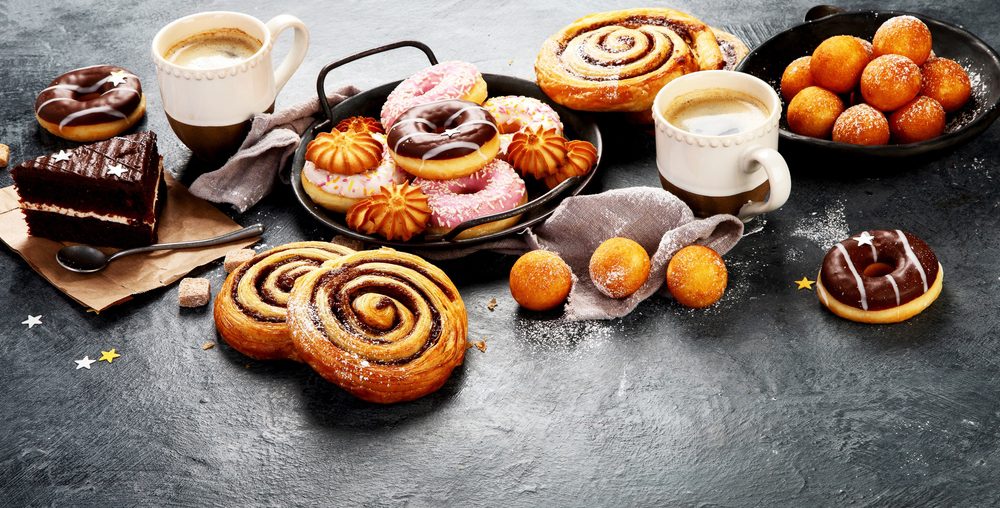
The donut industry has quietly evolved from a classic bakery treat category into a modern, innovation-driven segment shaped by premium flavors, coffee culture, delivery convenience, and “better-for-you” product experimentation. While donuts remain a staple indulgence, the market has expanded through creative menu innovation, packaged multi-packs, brand collaborations, and franchise systems that scale efficiently across regions.
Today, the donut category is attractive to franchise investors because it combines high product appeal, strong margins on core items, repeat purchase behavior, and a familiar consumer product with the scalability of standardized operations. At the same time, successful donut brands increasingly operate as coffee + beverage businesses as much as they do donut businesses—driving higher average tickets and daily traffic.
This article explores the growth of the donut market, the trends shaping consumer demand, and examples of donut brands that have franchised effectively.
1) The Donut Market: A Category with Steady Growth and Expanding Consumer Demand
The donut industry is often overlooked because it feels familiar—but the category has experienced sustained growth, largely driven by evolving consumer preferences and product innovation.
Several market research forecasts point to consistent growth in the global doughnut/donut market over the coming years. For example, Fortune Business Insights estimates the global doughnuts market at $11.22B in 2024, growing to $15.12B by 2032 (with North America holding a major share). Another major report summary from Research and Markets / Global Industry Analysts estimates the global doughnuts market at $35.3B in 2024, with expectations of continued growth into 2030.
While market size estimates vary by methodology (some reports include broader packaged goods and regional definitions), the consistent theme is that donuts remain a durable global snack category supported by:
-
convenience and indulgence demand,
-
menu innovation and seasonal promotions,
- and increasing retail formats (from shops to packaged multi-packs).
One reason the market remains resilient is that donuts are a relatively affordable treat compared to many premium desserts—making the category attractive even when consumers become more budget conscious.
2) What’s Driving Donut Industry Growth Today?
A) Premiumization and “gourmet” donut culture
Over the last decade, the industry has shifted from basic glazed donuts into premium, artisanal, and highly visual products. This change has been supported by:
-
unique fillings and toppings,
-
seasonal and limited-time flavors,
-
social media-friendly presentation,
-
and local “signature” creations.
IBISWorld’s industry overview highlights that smaller and independent doughnut shops benefit from consumer willingness to try nontraditional products and localized offerings, suggesting growth in specialty donuts as consumers seek novelty and variety.
This has supported boutique brands and emerging franchises that specialize in customization and premium experiences.
B) Beverage-driven growth: donuts paired with coffee and specialty drinks
Many donut brands have evolved into beverage-forward models. This matters because beverages often improve unit economics:
-
higher margins,
-
higher average ticket,
-
daily habit-driven visits.
This is a large part of why Dunkin’ has been so successful historically—its donut offering is a draw, but its beverage sales drive frequency and profitability.
C) Packaged multi-packs and grocery/retail distribution
Another major growth driver is the expansion of donut consumption beyond in-store purchases.
Mordor Intelligence notes that multi-packs represent a significant share of donut packaging formats, while single-serve packs are expected to grow faster over time. This reflects consumer preferences for:
-
convenience,
-
grab-and-go purchases,
-
and family or office multi-serving packs.
While franchise units may not always focus on grocery distribution, packaged product models influence consumer demand and strengthen category visibility.
D) “Better-for-you” innovations and specialty dietary lines
While donuts are inherently indulgent, consumer interest in healthier alternatives continues to shape product strategy.
Mordor Intelligence also notes that “free-from” products (such as gluten-free or reduced-sugar lines) are projected to grow faster than conventional offerings in the category.
Even if healthier donuts remain niche, they help brands attract new customer segments and expand their positioning.
E) Seasonal product marketing and limited-time offerings
Seasonal flavors and limited-time menu promotions have become a major industry growth lever. Brands like Krispy Kreme have leaned heavily into seasonal lineups and rotating collections, demonstrating how limited-time products can sustain consumer excitement year-round.
This strategy increases frequency because customers return to try new flavors and curated “collections.”
3) Why Donut Concepts Franchise Well
Donut franchises can scale effectively because they typically offer:
1) Repeatable operations
Donut production can be standardized, and many brands use:
-
central commissaries,
-
simplified finishing systems,
-
or controlled ingredient sourcing.
2) Strong customer frequency
Donuts and coffee are daily or weekly habits. Great donut brands become “routine stops.”
3) Strong margins on core products
Many donut products have low ingredient cost relative to retail price—especially beverages.
4) Flexible formats
Donut brands can grow through:
-
traditional storefronts,
-
drive-thru models,
-
kiosks,
-
non-traditional locations (airports, campuses),
-
and delivery-optimized units.
5) Franchisee scalability
With proper systems, donut shops can be expanded into multi-unit ownership, especially when labor and production models are centralized.
4) Franchise Brands in the Donut Marketplace That Have Scaled Effectively
Below are examples of brands that illustrate how donuts can franchise successfully—each with a different strategic approach.
A) Dunkin’ (The category giant: donuts + beverage dominance)
Dunkin’ is widely recognized as one of the most scalable donut-based franchise systems in the world. Its long-term success is rooted in:
-
operational simplicity,
-
highly developed supply chain systems,
-
and its evolution into a beverage-first brand with a strong daily customer habit.
Even many franchise industry overviews still describe Dunkin’ as the “world champion” of donut franchising due to its scale and enduring model.
Why it franchises effectively:
-
high brand recognition
-
robust franchise support
-
strong beverage sales
-
proven unit economics in many markets
-
mature systems built for multi-unit ownership
B) Krispy Kreme (Iconic product + brand marketing engine)
Krispy Kreme has become one of the most recognizable donut brands in the world, built around:
-
the signature Original Glazed product,
-
an experiential “hot light” brand story,
-
and strong seasonal innovation marketing.
Recent product moves show how Krispy Kreme continues to use innovation and seasonality to keep customer interest high, including rotating seasonal collections and expanded flavor lineups.
Why it scales effectively:
-
iconic core product
-
strong marketing and promotions
-
ability to grow through retail distribution partnerships
-
strong brand emotional connection
C) Shipley Do-Nuts (Regional dominance expanding into new markets)
Shipley is an example of a franchise brand that built strong regional dominance and then expanded outward strategically.
Shipley’s franchise development marketing references the brand operating hundreds of units across multiple states and actively growing eastward.
Why Shipley has franchised effectively:
-
strong core product and loyal customer base
-
breakfast and coffee pairing
-
multi-unit expansion pathways
-
regional market strategy and controlled growth
D) Duck Donuts (Customization + made-to-order theater)
Duck Donuts (often cited in franchise lists and rankings) is known for:
-
made-to-order donuts,
-
customization,
-
and a “donut experience” that makes the product feel premium and interactive.
This brand demonstrates how experience + customization can differentiate in a crowded treat category.
Why it scales:
-
clear differentiator
-
“show” element in-store
-
strong social media visibility
-
flexible store formats
(Brand is frequently included among top doughnut franchise lists in franchise publications.)
E) Dippidy Donuts (Regional chain with long-standing franchising)
Learn more about Dippidy Donuts: https://dippidydonutsfranchising.com/
Dippidy Donuts is an example of a regional donut and coffee chain that has sustained growth through franchising over decades. Franchise marketplace summaries often emphasize Dippidy Donut’s long track record and presence in its region, particularly in the Midwest.
Why it works:
-
regional brand loyalty
-
strong coffee + donut pairing
-
repeat customer traffic
-
long-term franchise stability
-
mobile cart model allowing for lower investment and higher margins for the franchise
F) Emerging and boutique donut franchises
In addition to large players, boutique donut concepts have grown by leaning into:
-
premium toppings,
-
localized flavors,
-
and strong store-level branding.
IBISWorld highlights that specialty doughnut stores can grow as consumers increasingly look for unique flavor experiences, supporting the rise of smaller concepts and niche franchises.
5) Key Trends Franchise Buyers Should Watch in the Donut Category
If you’re evaluating donut franchises from an investor standpoint, there are a few major trends shaping the category:
Trend 1: Specialty and premium donuts are still gaining traction
Consumers are increasingly willing to pay for premium desserts—especially when:
-
flavors are unique,
-
presentation is strong,
-
and the experience feels “new.”
Trend 2: Delivery and digital ordering matters more every year
Donuts travel well, and brands that integrate:
-
app ordering,
-
delivery partnerships,
-
and loyalty programs
often increase frequency and customer retention.
Trend 3: Multi-pack retail and catering opportunities are growing
From office orders to parties, donuts are naturally shareable, which supports:
-
catering revenue
-
repeat large orders
-
community fundraising programs
Trend 4: “Better-for-you” products are becoming strategically important
Even if most customers still buy indulgent items, “free-from” and reduced-sugar categories are growing faster than conventional lines in some forecasts. This trend can help brands:
-
expand customer segments,
-
build a modern brand position,
-
and compete in health-conscious markets.
Trend 5: Seasonal marketing has become essential
The top brands keep customers engaged with seasonal menus, collections, and promotions—something Krispy Kreme has emphasized heavily heading into 2026.
6) What Makes a Donut Franchise “Franchiseable” (and Investable)
Not every donut shop is a good franchise model. The donut brands that scale well through franchising typically have:
✅ Standardized production systems
✅ Strong supply chain controls
✅ Training systems for consistency
✅ Brand clarity and differentiation
✅ Strong local marketing systems
✅ A repeat customer model (coffee, breakfast, dessert routines)
✅ Clear unit economics and labor model
✅ Ability to scale through multi-unit ownership or territories
This is why the most successful donut franchise models are either:
-
extremely standardized (Dunkin’-style),
-
iconic brand-driven (Krispy Kreme),
-
regionally strong with expansion strategy (Shipley),
-
experiential/customized (Duck Donuts style),
-
mobile and truck/cart model (Dippidy Donuts)
Donuts Are a Durable Category—and Franchising Has Proven to Be a Winning Growth Strategy
The donut industry is still growing, driven by product innovation, premiumization, packaged formats, digital ordering, and new consumer habits around coffee and convenience. Multiple market forecasts suggest steady growth through 2030 and beyond, even though market size estimates vary depending on how the category is defined.
From global leaders like Dunkin’ and Krispy Kreme to regional powerhouses like Shipley Do-Nuts and experience-driven concepts like Duck Donuts, the franchise marketplace shows that donuts remain one of the most scalable and recognizable food categories.
For franchise investors, the donut industry can be attractive because it offers:
-
high consumer appeal,
-
a frequent-purchase category,
-
a strong beverage attachment opportunity,
-
and the potential for multi-unit expansion.
And for emerging brands, the donut segment continues to reward systems, creativity, and operational execution—proving that even a classic product category can evolve and grow through franchising.
For more information on how to find the right Donut Franchise Brand, contact Strategic Franchise Brokers: https://www.strategicfranchisebrokers.com/schedule/
To Franchise Your Donut Business, contact Franchise Marketing Systems: www.FMSFranchise.com